

CRDF, CRAFT to Merge as Florida Farm Bill Brings Change to Citrus Industry
by TIM CRAIG
When Gov. Ron DeSantis signed the massive Florida Farm Bill into law March 23, he not only strengthened Florida’s agricultural industry, he also shaped the future of the Florida citrus industry and its fight for an HLB-free existence.
The bill, which takes effect July 1, brings with it a big shift in the Florida citrus industry by merging two entities that have been at the forefront of the fight against greening.
The Citrus Research and Development Foundation will shift under the umbrella of the Citrus Research and Field Trials Foundation. The bill gives the two entities until October 1 to develop a merger plan.
The bill also will add two more grower members to the CRAFT board. Currently, the CRAFT board is made up of five Florida citrus growers, one Florida citrus nursery representative, and the Florida State Plant Health Inspection Service Director. The Commissioner of Agriculture appoints the board members each year.
In addition, CRAFT will become the advisory council for the current research marketing order, the self-imposed tax on growers that raises money specifically for research projects to solve greening and other production problems. The CRDF has funded lab research through the CRDF and field trials through CRAFT. The current research marketing order lasts until July 21, 2028. CRAFT will also take over Florida Citrus Code reporting requirements.

In the wake of news of the merger deal, CRDF Chief Operating Officer Rick Dantzler announced his retirement effective June 30.
“I knew the merger was coming and I can’t say that it did not have a bearing on my decision, but it was not the driving force,” Dantzler says. “The merger was not my idea. But I am not actively opposed to it.”
Dantzler, the former state senator from Winter Haven, was named chief operating officer of CRDF in August 2018. He helped oversee the development of a systematic research program that was designed to find a solution to the devastation brought on by two decades worth of citrus greening.
It’s the future of that research program that concerns him now.
“I am less concerned about where the robust research effort is housed and more concerned with making sure that it continues because there is more to be done,” he says.
“The discoveries that are made in the lab, we believe, will help save this industry from HLB and continue to fight the new diseases and pests that continue to thrive.”
Seeking a Seamless Transition
Steven Hall, Executive Director of the CRAFT Foundation, says all current projects will continue.
“Rick and his team have done a fantastic job with the CRDF, and I thank them for their hard work over these past many years,” he says.
“Rick and Audrey (Nowicki) were both planning to retire, and I think the legislature saw that the CRDF was entering into a transitional period and saw an opportunity to increase funding by putting these two entities under one umbrella.”
The CRDF, which was founded in 2009, and CRAFT, founded in 2019, have been working toward the same goal — to fight HLB and find ways to save the Florida citrus industry — but they attacked their goal from two different perspectives. The CRDF funded lab research, where ideas on how to attack HLB were conducted in a controlled environment. When lab projects were complete, they were then tested in real-world commercial environments through CRAFT.
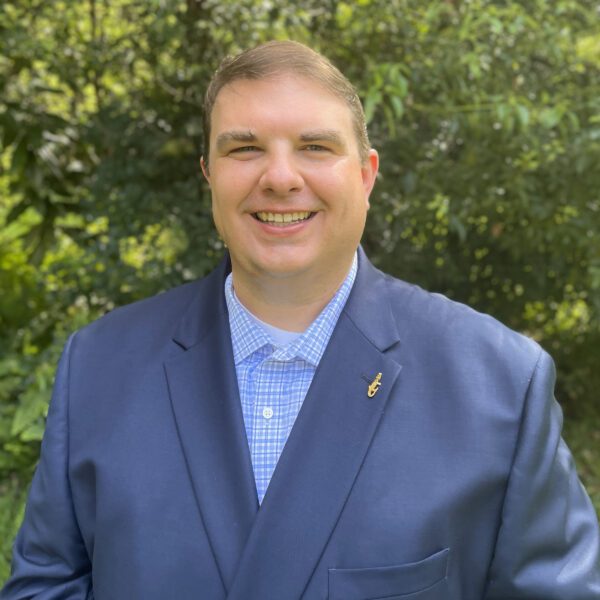
“What we want people to take away from this announcement is that this is NOT a shakeup, it’s not a takeover or anything like that,” says Hall, who will oversee the new entity.
“What we have are two closely related organizations who were similar in their goals, and now they are being turned into one organization. Hopefully, the grower will not know the difference when it comes to research and funding.”
The Road Ahead
The merger and upcoming field trials could be a watershed moment for the citrus industry.
Hall notes that 2025 was the first year in a while in which Florida did not get hit by a hurricane that would disrupt the growing cycle. Other than the freeze this winter, he says, the weather has not hampered research efforts. Add to that a round of promising rootstocks that show strong signs of being HLB resistant in the lab, and the upcoming field trials have an air of anticipation.
“We are currently working through getting approval from the EPA for these specific rootstocks,” Hall says. “When we get that, we have about 300,000 of those greening-resistant rootstocks ready and waiting to go into the ground for field trials.”
The research process always fosters new ideas that get worked out in the labs, and then it progresses through there and it will be then taken into the field trials. That’s how the research gets done, Hall says.
Dantzler says a key driver behind the merger was bringing discovery and testing efforts under one umbrella, which could result in faster validation of therapies.
Hall agrees, saying the merger could streamline processes and even make it easier for lab research to get into field trials.
“Instead of going through two boards, researchers will now only deal with one.”