by RYAN MILEJCZAK
photos provided by Polk County Government
As the nation celebrates 250 years, Polk County is looking back at its own heritage and origins: cattle.
A new permanent exhibit at the Polk County History Center, plus a new project to preserve historic cattle brand books, are working to keep that history from fading.
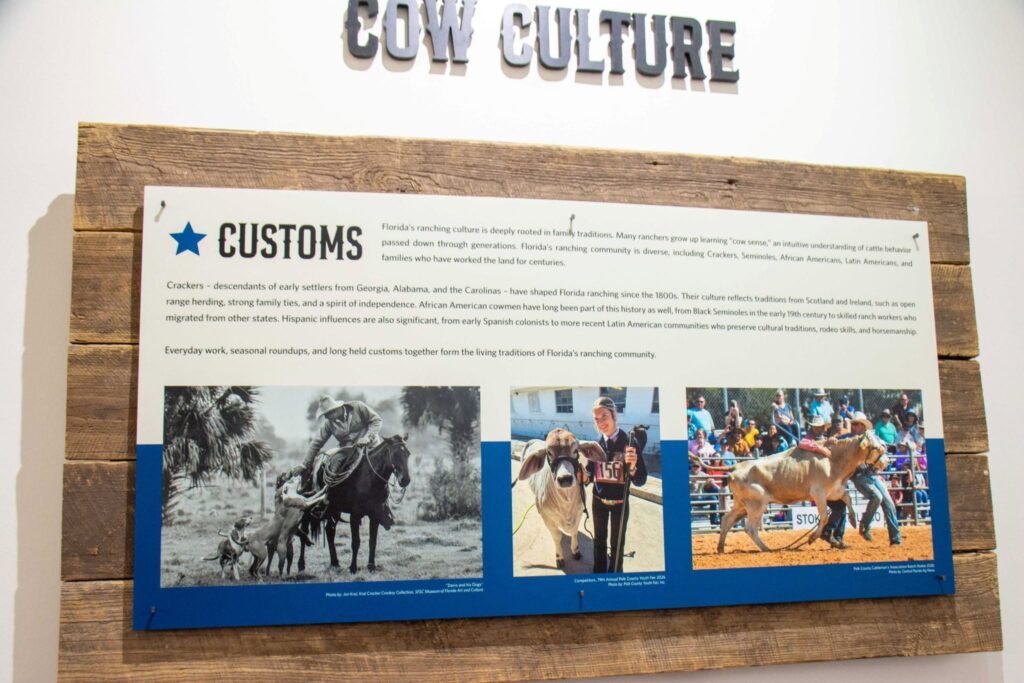
Inside ‘From Criollo to Cracker’: Polk’s New Cattle Culture Exhibit
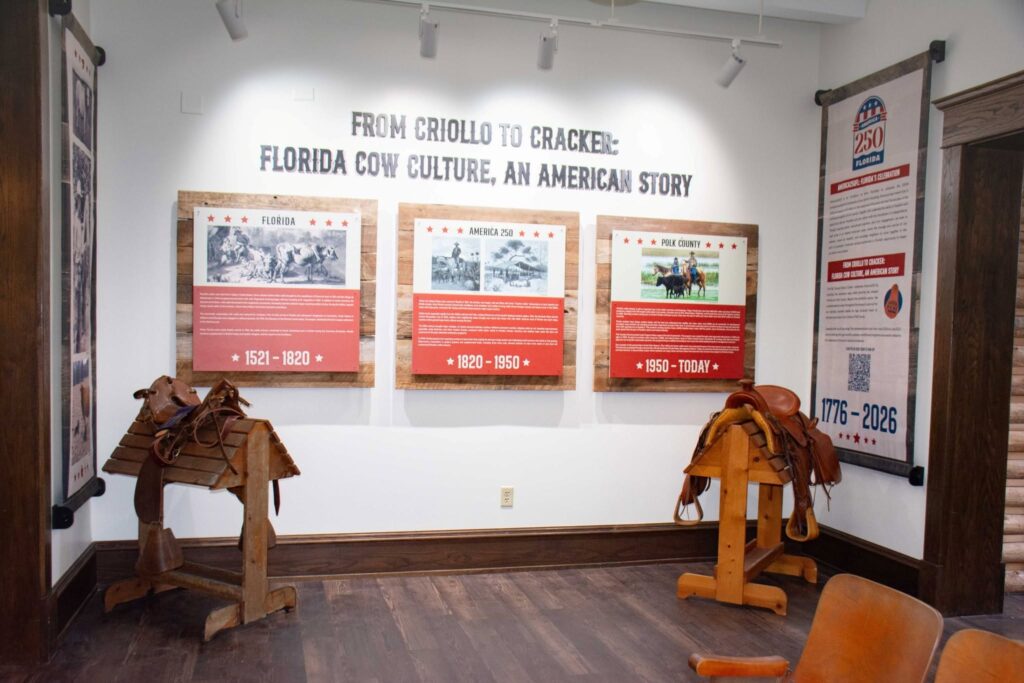
Located in the historic 1908 courthouse in Bartow, the Polk County History Center has been documenting Polk County history since 1998. Its latest exhibit, “From Criollo to Cracker: Florida Cow Culture, an American Story,” takes a look at some of Florida’s earliest settlers, the cattlemen known as the Florida Crackers.
The idea first took root in 2018, when Historic Preservation Manager Myrtice Young attended a conference in Philadelphia. She noticed local Daughters of the American Revolution chapters planting trees to mark the coming semiquincentennial, and asked herself what Florida’s commemoration should look like.
“Most of the information we were getting from peer museums and from federal direction was to tell the America 250 story as your story,” Young says. “And it was very obvious to me that our story, Polk County’s, Florida’s early history starts with cattle culture.”
So Young got to work on the exhibit. The deeper she dug, the more the story’s importance came into focus.
“As I worked on this, I realized cattle culture really tells the story of Florida’s beginning, all the way back to the 1500s with the Spaniards through today,” Young reflects. “It gives you a great sense of the state’s beginnings and where we stand today.”
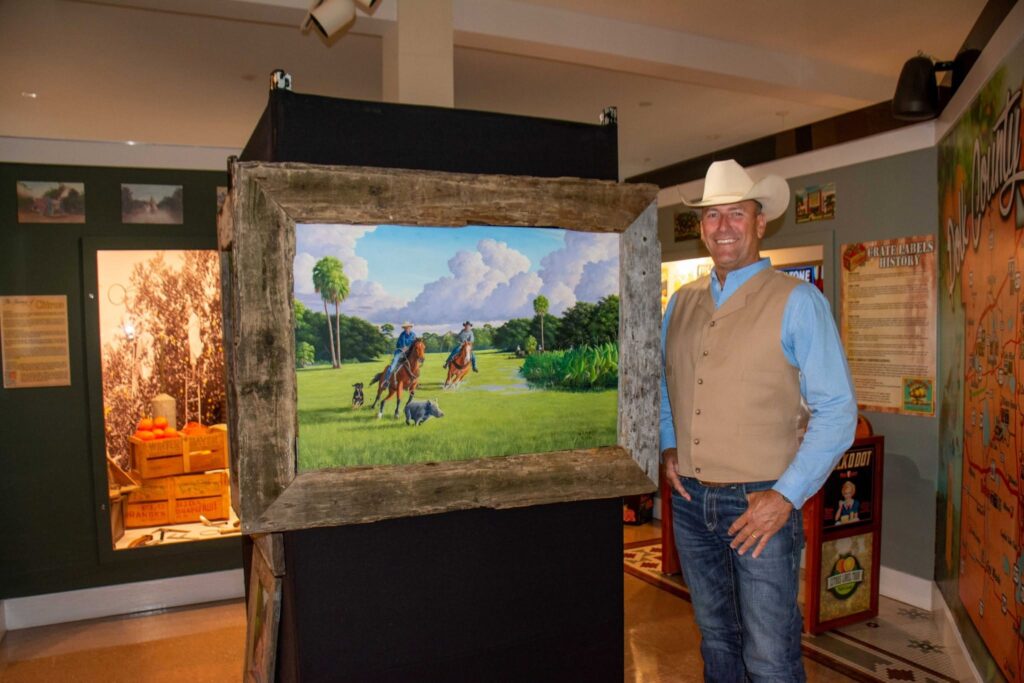
The exhibit was put together with help from several members of the community. Chief among them was cattleman David Hunt, who among other contributions, provided a video recording of a three-day cattle drive. Photographs from Carlton Ward and Central Florida Ag News are also included.
The exhibit explores Florida’s beginnings through cattle culture, beginning with the arrival of the Spanish, who introduced cattle to Florida. When American pioneers arrived in the 1800s, they started capturing the animals, and Florida’s modern history began.
From there, the exhibit explores the early cities of Polk County, cattle culture art, and even a feature on the so-called “cattle cavalry,” cattlemen enlisted to drive cows north for the Confederacy.
Young hopes the exhibit will spark curiosity in visitors, especially those who aren’t originally from the area.
“Our story is rich and amazing, and I want visitors to leave with a sense of where they are and how this all came to be. I want them to make an emotional connection and stimulate them to learn a little bit more about Florida,” she says.
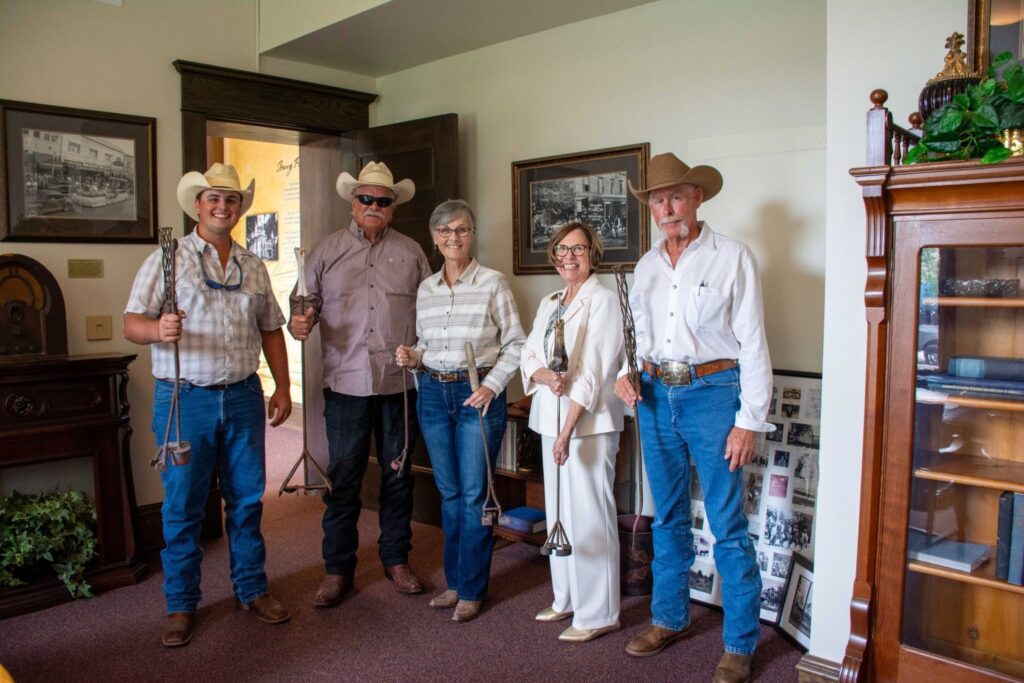
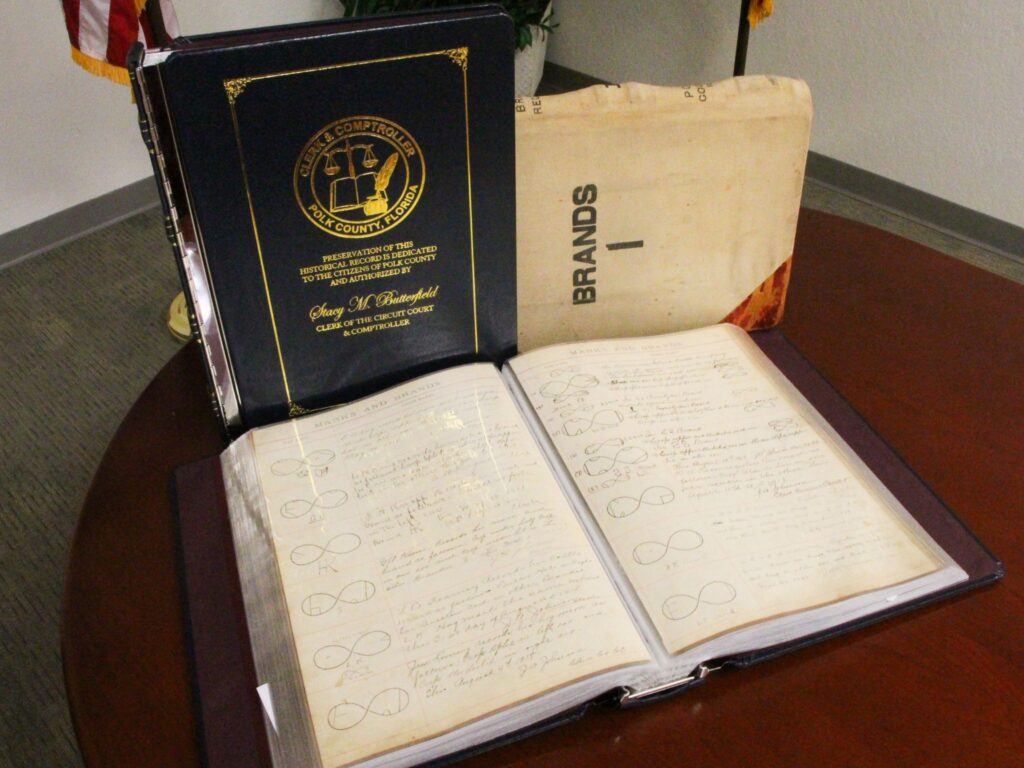
Preserving the Past, One Brand at a Time
One very special part of Florida Cracker history is also featured in the new exhibit: Florida cattle brand books.
Cattlemen use brands to mark their cattle, and they were necessary because livestock from different ranches grazed together on communal land. The brands helped avoid mix-ups and protect the cattleman’s property from theft.
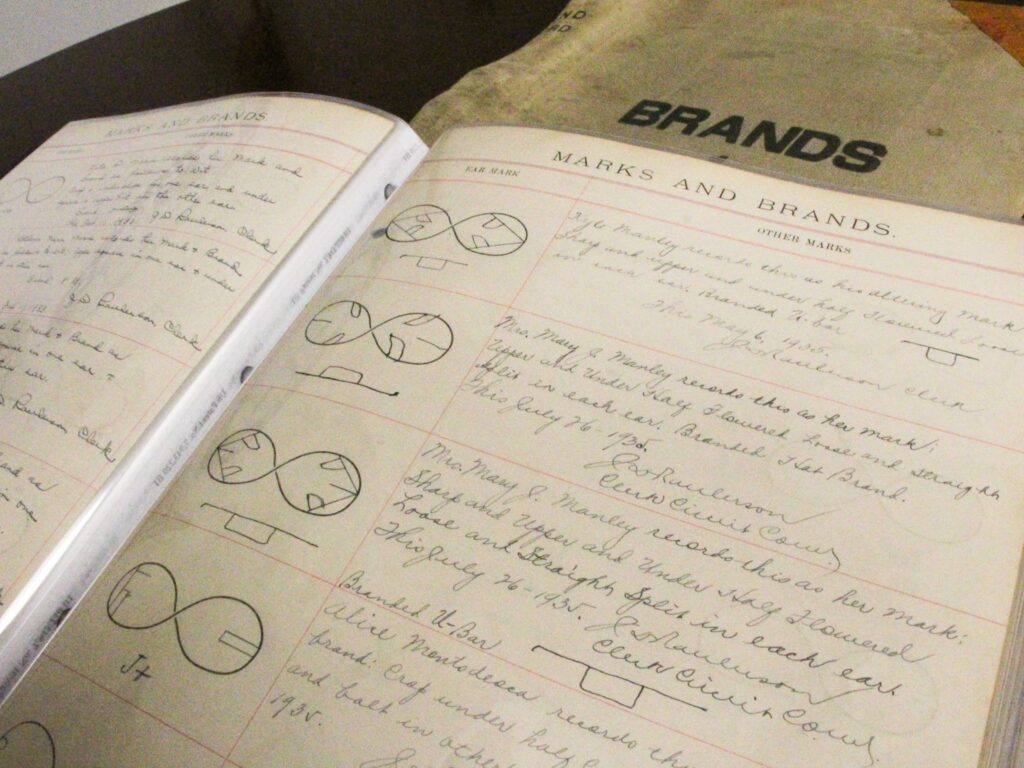
Once cattle were branded, each unique brand was registered at the County Clerk’s Office in books.
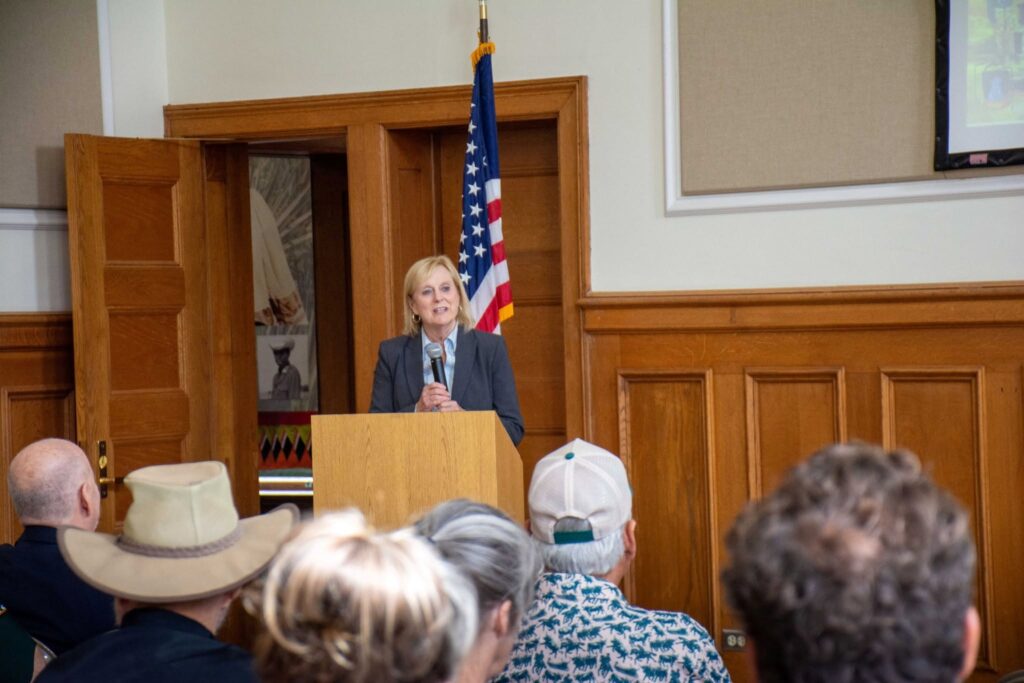
Young first approached Polk Clerk of Circuit Court and Comptroller Stacy Butterfield about using the office’s collection of brand books when creating the Florida Cracker exhibit. But there was one problem: Those books, which were created between 1860 and 1940, are showing their age.
“We were looking at it and the books, of course, are very old, as many of our original records are,” recounts Butterfield. “So, we looked at the possibility of the restoration, preservation, and digitization of those historic cattle brand books.”
The Clerk’s office had recently completed a similar project with historic deed books and decided to do the same with the cattle brand books. They contacted the vendor, Cofile, and the project was completed only a few weeks ago.
Butterfield explains what visitors can see in the newly restored books.
“In the actual books, you’ll find not only the symbol used for the brand, but also the ‘earnotching’ marks, specific cuts and shapes on the ears of livestock that helped ranchers ID cattle.”
Fun fact: The term “earmarking” comes from this practice, showing yet another way cattle culture is integral to not only Floridian culture but to American culture at large. Butterfield is quick to underscore how important that history is.
“History is what gives a community a sense of identity or belonging,” she explains. “These records help ensure that Polk, as it continues to grow, doesn’t just become another place on the map… that we remain connected to the people, tradition, and stories that make Polk what it is.”
The books are more than a collection of cattle brands; they preserve the stories of families, ranches, industries, and traditions that helped shape Polk County and Florida. The pages document notable families such as the Bellottos, whose ranch later became Circle B Bar Reserve, as well as influential figures like Jasper Summerlin, son of Jacob Summerlin, the legendary cattleman known as the “King of Crackers.”
To view the restored brand books online, visit polkclerk.fl.gov