
by LUIS RODRIGUEZ, UF/IFAS Polk Extension
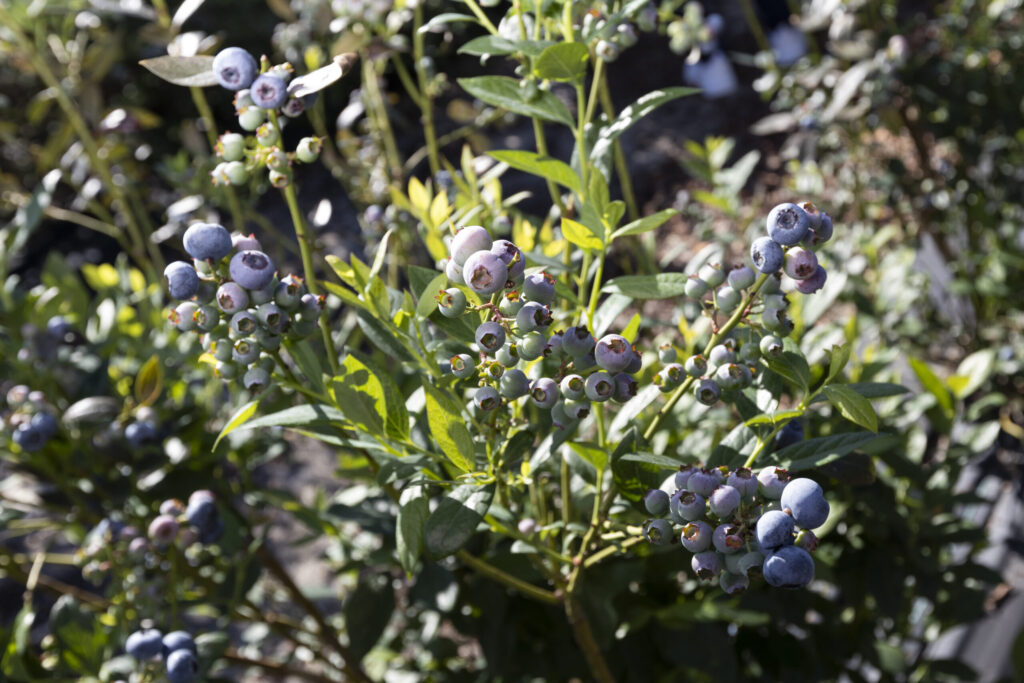
Blueberries are one of Florida’s most valuable agricultural commodities. From commercial operations to U-pick farms, success in this industry can be determined by one specific decision: selecting the right blueberry cultivar for a particular farm.
Florida’s mild winters and short market windows have transformed the industry into the adoption of specific low-chill cultivars, particularly southern highbush blueberry. These cultivars started their development at the beginning of the 1950s by the University of Florida, aiming to combine high fruit quality with the ability to produce in Florida’s weather conditions.
Southern Highbush
Early varieties like Sharpblue, Flordablue, and Avonblue helped start the modern Florida blueberry industry. They showed that it was possible to grow high-quality blueberries that ripen early in Florida.
Over time, growers recognized the economic advantage of hitting the early fresh market, and as a result, farmers favor the use of southern highbush varieties. Today, most commercial blueberry production in Florida relies on improved southern highbush cultivars developed through the UF/IFAS breeding program.
Some Southern Highbush Varieties
Growers now have access to a wide range of southern highbush varieties, each with their own distinctive characteristics:
- Emerald – An established cultivar in Florida and generally considered one of the higher-yielding cultivars grown in Central Florida. Emerald is a vigorous plant with early ripening and large, high-quality berries. Known for strong growth and consistent production, making it a common choice for commercial operations.
- Jewel – Considered a secondary cultivar for Florida, Jewel is another widely planted cultivar with a low chilling requirement and high-quality fruit. However, growers should be aware of their susceptibility to certain diseases such as root rot and leaf spot.
- Star – Considered to be an obsolete cultivar for Florida, Star produces excellent fruit quality and has good plant survival but has a relatively short harvest window and slightly higher chilling requirement compared to some newer cultivars, making it difficult to maintain and obtain good yields in places such as Central Florida.
- Farthing – An established cultivar in Florida known for high yields and firm, large berries with good disease tolerance. Management may require pruning to prevent over-fruiting.
- Springhigh – Considered a secondary cultivar for Florida, it is vigorous and productive, but fruit handling can be a concern due to potential skin tearing during harvest.
- Sweetcrisp – Considered a secondary cultivar for Florida, it is highly valued for exceptional flavor and firm texture, especially in fresh markets, though yields may be lower than other cultivars.
There are plenty of more varieties available in Florida, but at least these examples highlight an important point: cultivar selection often involves advantages and disadvantages among yield, fruit quality, disease resistance, and management requirements.
Rabbiteye Cultivars
Although southern highbush varieties dominate the commercial sector in the Florida blueberry industry, rabbiteye varieties still play an important role in Florida. Particularly, rabbiteye are used for U-pick farms and less competitive systems. These cultivars tend to be more vigorous, drought-tolerant, and easier to grow under less intensive management.
However, they typically ripen later than southern highbush cultivars, which limits their ability to be sold in good market windows. For growers focused on local sales, agritourism, or extended harvest seasons, rabbiteye varieties remain a valuable option.
Selecting a Blueberry Variety and Location
One of the biggest mistakes a grower can make is selecting a variety without considering local conditions, such as weather. Southern highbush performs best in Central and South Florida, where chilling hours are limited, while rabbiteye cultivars are better adapted to North Florida regions with cooler winters.
Matching the cultivar based on the production system is equally important when selecting a variety as when selecting based on weather conditions. Growers with high-input commercial systems should be prioritizing varieties with early yield and fruit firmness for shipping, while smaller growers can have the liberty to value ease of production and plant resilience.
Another thing to consider when selecting a cultivar is pollination. Blueberries require cross-pollination between cultivars of the same type, meaning growers should always plant multiple compatible varieties to ensure optimal fruit quality and yields.
UF/IFAS Breeding Program
The UF/IFAS breeding program continues to research and release new cultivars with improved fruit quality, earlier ripening, and better adaptation to Florida’s climate. These improvements are critical as growers constantly face challenges from Florida’s weather, pest pressure, and rising production costs.
There will never be a complete solution to every problem in the blueberry industry. However, UF/IFAS guidance focuses on proper cultivar selection, balancing advantages and disadvantages based on each operation’s goals and conditions. To access this guidance, growers can always communicate with their local extension agent and work together to improve the conditions on their operations.
The Right Cultivar Is Key to Success
Selecting the right blueberry variety is a critical decision that directly impacts the success of Florida blueberry farms. The selection of a particular cultivar for a specific operation will require careful consideration of climate, market goals, and management capacity.
Southern highbush cultivars dominate the industry due to their early ripening and market window advantages, while rabbiteye varieties remain valuable for specific production systems.
In the end, growers must balance each cultivar’s strengths and limitations and utilize UF/IFAS Extension resources to make informed decisions when selecting the correct variety for their operation.
For more information about blueberry cultivars, please access the following “ASK IFAS” publication called: “Southern Highbush Blueberry Cultivars From the University of Florida.”
Luis Rodriguez is the Polk County Small Farms and Pesticide Education Extension Agent. You can reach him at [email protected] or 863-519-1049.