
by SHAYLYNN MARKS
photos provided by JENNIFER WILLIAMS
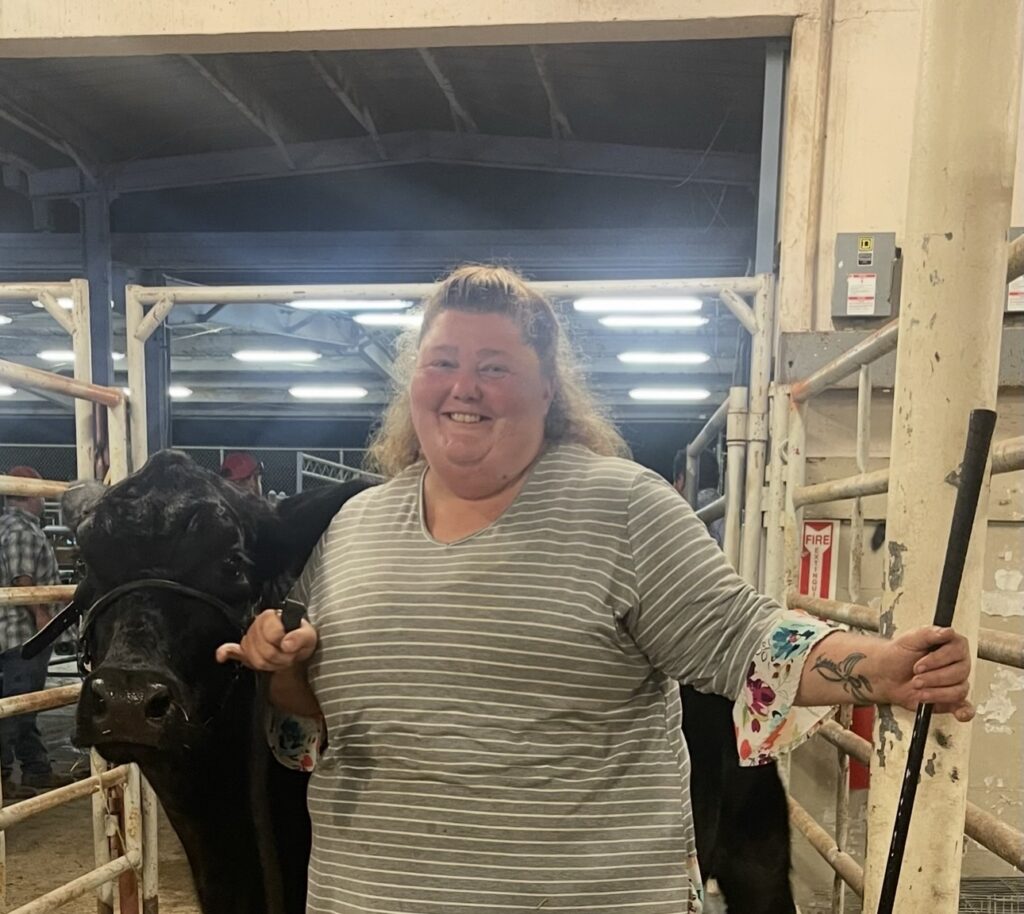
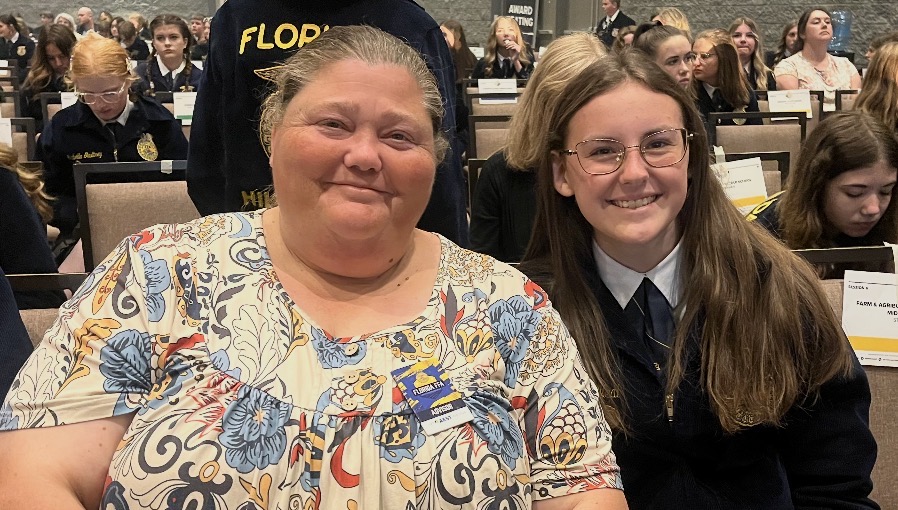
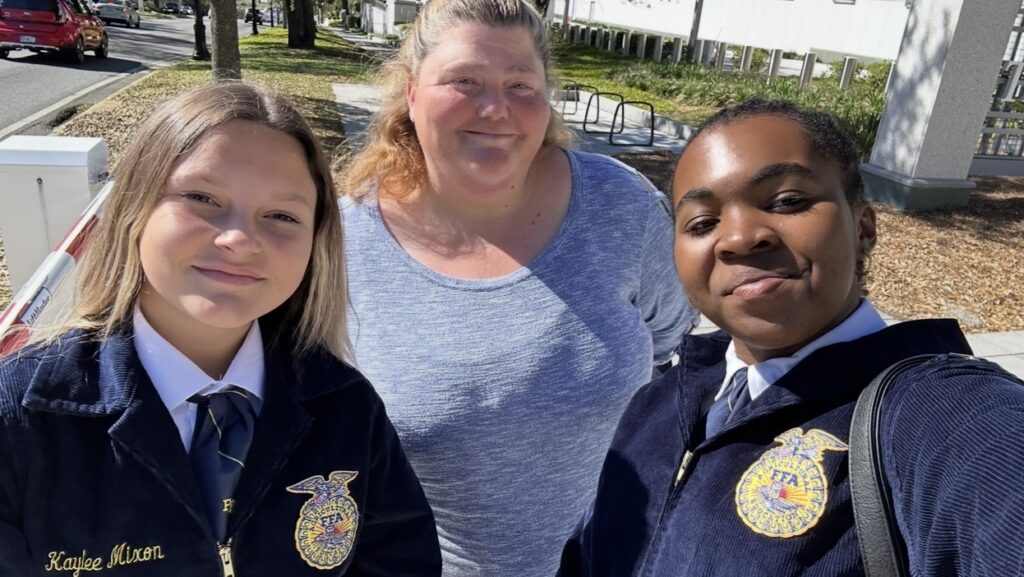
When Jennifer Williams stepped into Bok Academy North four years ago, there was no established agriculture program waiting for her. Instead, she faced a blank slate and an opportunity to build something meaningful. Today, the agriculture program includes livestock, gardens, aquaculture projects, leadership development, and a culture of community service that reaches beyond the classroom. Williams’ efforts recently earned her one of Polk County agriculture education’s highest honors: She was named 2026 Polk County Farm Bureau Agriculture Teacher of the Year.
From FFA Student to Agriculture Teacher
Williams’ grandparents had orange groves and cattle in Hardee County, giving her an early view of production agriculture and the work behind it. When she moved to Polk County in high school, FFA opened the door even wider.
“I had the most amazing ag teachers and FFA advisors,” Williams says. “They got me into all the other aspects of FFA and agriculture, besides just the production side. And that’s when I decided I wanted to be an ag teacher.”
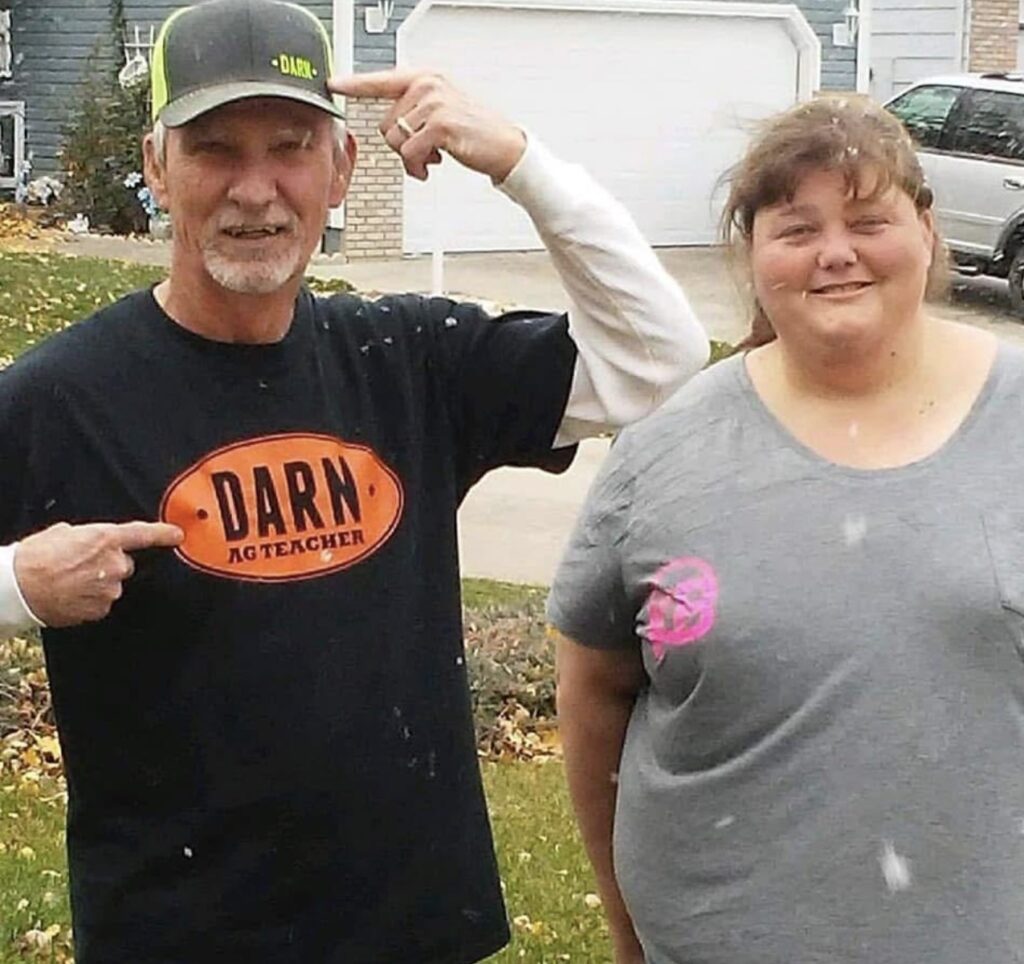
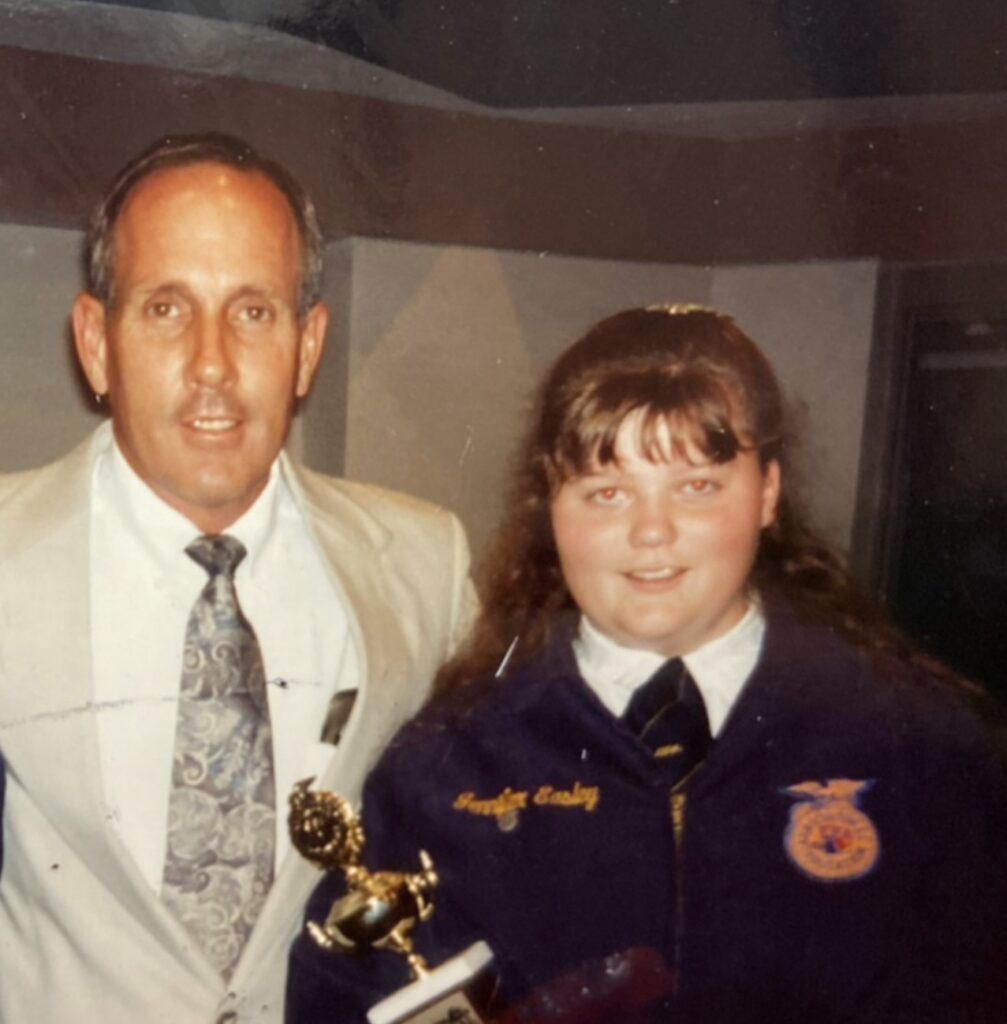
The path takes time. Williams worked as principal secretary at Dundee Elementary for 22 years, then finished her degree after putting college on hold to raise her children. She taught agriculture at Dundee Ridge for one year before Bok Academy North’s program opened up with nothing but possibility.
“It was just a blank slate. So I was asked to come down here, and I started here four years ago and just built the program since then,” Williams says.
Agriculture Students Can See, Touch and Do
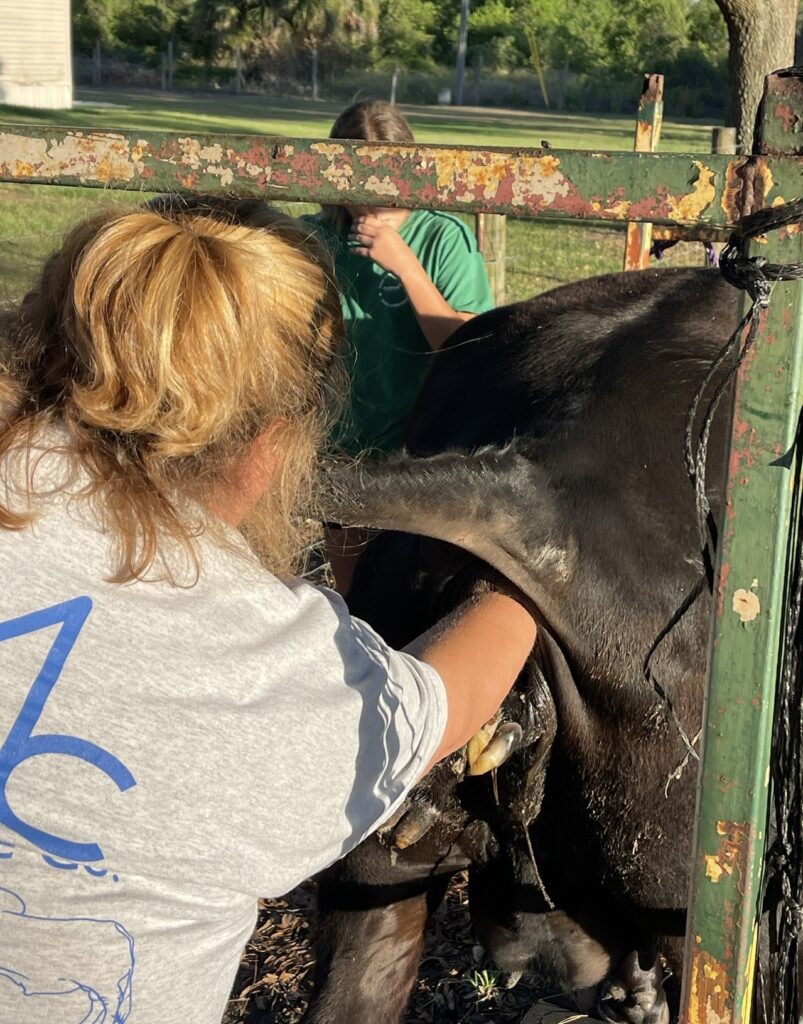
At Bok Academy North, students work with outdoor hydrostackers, gardens, goats, chickens, fish, cattle, pigs and rabbits. Lessons shift with the season and the unit, giving students a broad look at the industry.
In one recent swine lesson, they practiced real procedures using model piglets rather than live animals.
“The kids got to process the piglets,” Williams says. “They got to notch their ears, put their ear tags in, castrate them, cut their tails, cut their teeth, that kind of stuff, using all the tools they would use on a real-life pig.”
The models allow students to build technical skills while learning safely and responsibly.
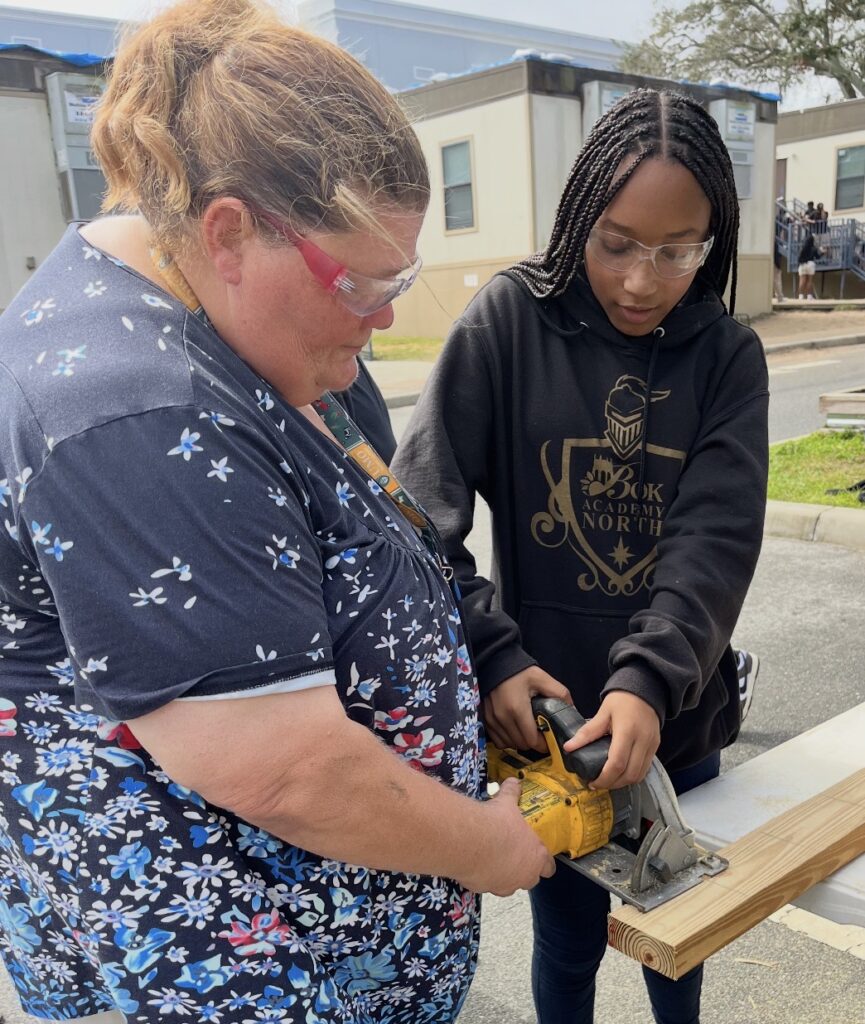
Leadership is just as central to the classroom as animal science, plant science, or food production.
“We focus a lot on leadership and about leaving our place better than we found it,” Williams says. “That’s one of our big things that we work on through FFA — leadership, communication, collaboration with other people, with other schools, and community impact.”
Building a Culture of Service
The chapter has adopted a mile stretch of road for regular cleanups. Students work with Lake Wales Care Center to prepare meal kits that families can take home and cook. They create Christmas baskets for senior citizens in assisted living facilities and participate in petting zoos and community events, including activities that support individuals with special needs.
“I want them to see that there’s more than just their little circle,” Williams says. “They need to expand their knowledge and get to know the world around them, because it’s very important to know your community and to help out.”
Opening the Door to Agriculture Careers
Williams works to show students the size and scope of agriculture. Industry tours help them see the science, technology and career opportunities behind everyday products and services.
A trip to the wastewater treatment plant becomes one of the students’ favorite tours because they see the science used to clean water before it returns to the environment.
“They couldn’t believe that that much science and that much technology was tied into the dirty water coming in to make it clean,” Williams says.
Other classroom visitors help students connect agriculture to drones, robotics, agritourism, hospitality, marketing, and social media.
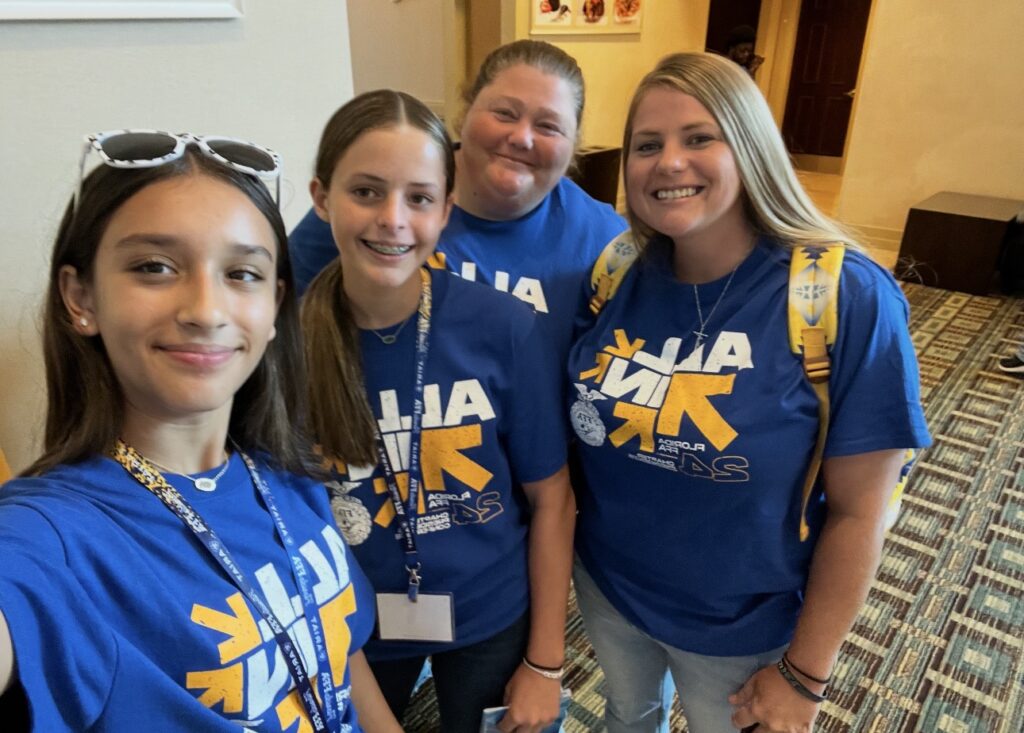
“We try to show the kids that they can impact agriculture, not just by farming,” Williams says. “Without agriculture, we won’t have any food, clothing — we won’t have anything. Agriculture is tied to every aspect of our life.”
Finding Their Place
One student, who started a honeybee company with her great-grandfather when she was in fifth grade, later used that supervised agricultural experience to create a marketing plan and demonstration. She won first place in the state for her work.
“That was a really great moment because you saw it come from when she was 9 or 10 years old all the way to now,” Williams says. “These four years and what she’s accomplished.”
Williams says students begin making connections that reach far beyond one unit or one classroom project.
“They’re like, ‘I could do this. I don’t have to do animals. I don’t have to do plants. I can do technology. I can fly a drone,’” Williams says. “It’s unlimited what they want to do.”
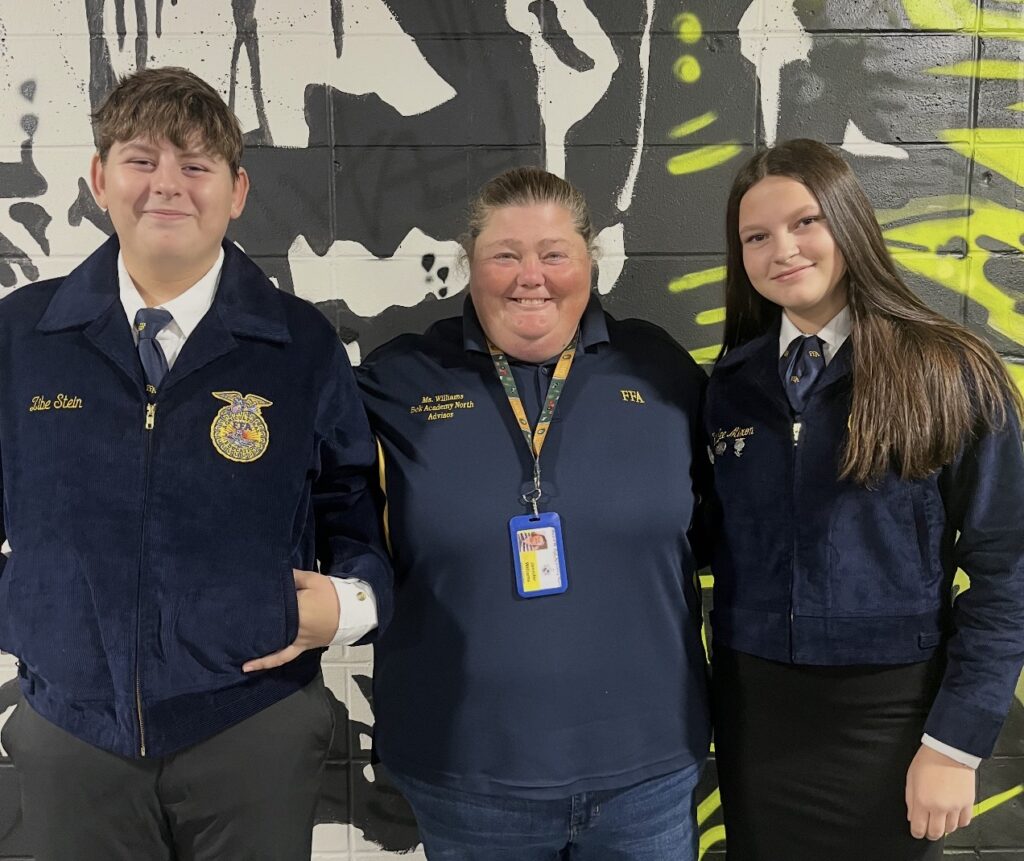
Jessica Anderson, Assistant Director of Agriculture, Career, Technical and Adult Education with Polk County Public Schools, says Williams stands out for the way she builds both students and community.
“Mrs. Williams is a hard-working agriculture teacher that does a fantastic job building culture and community amongst her students,” says Anderson. “She gives selflessly to her school and program because she has a heart for young people and agriculture. I am pleased to see her recognized with this honor as it is well deserved.”
A Program Built With Support
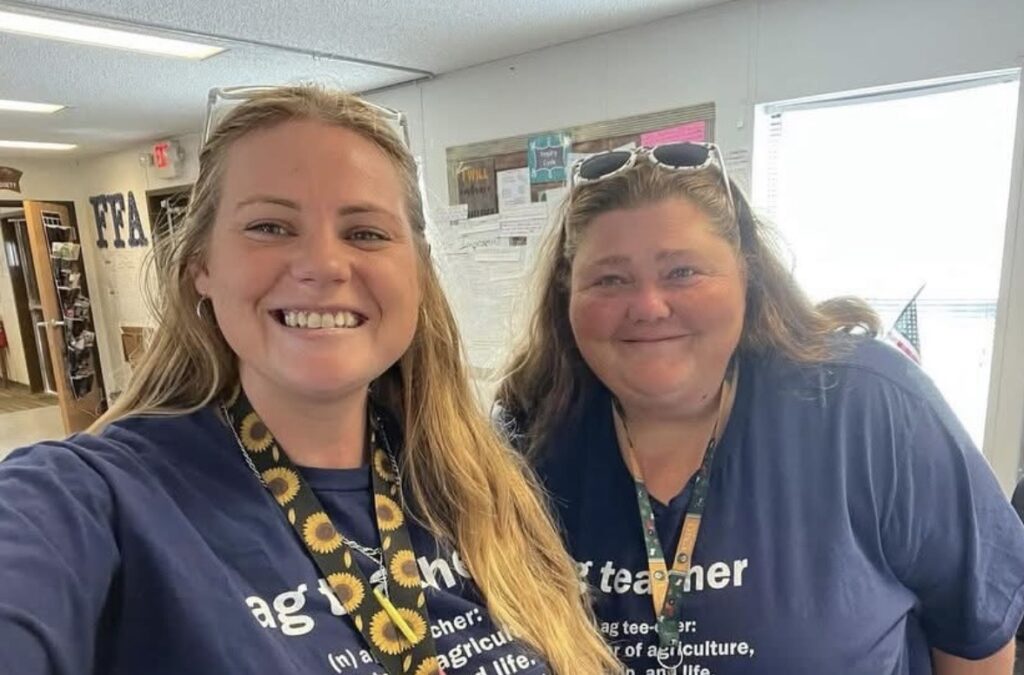
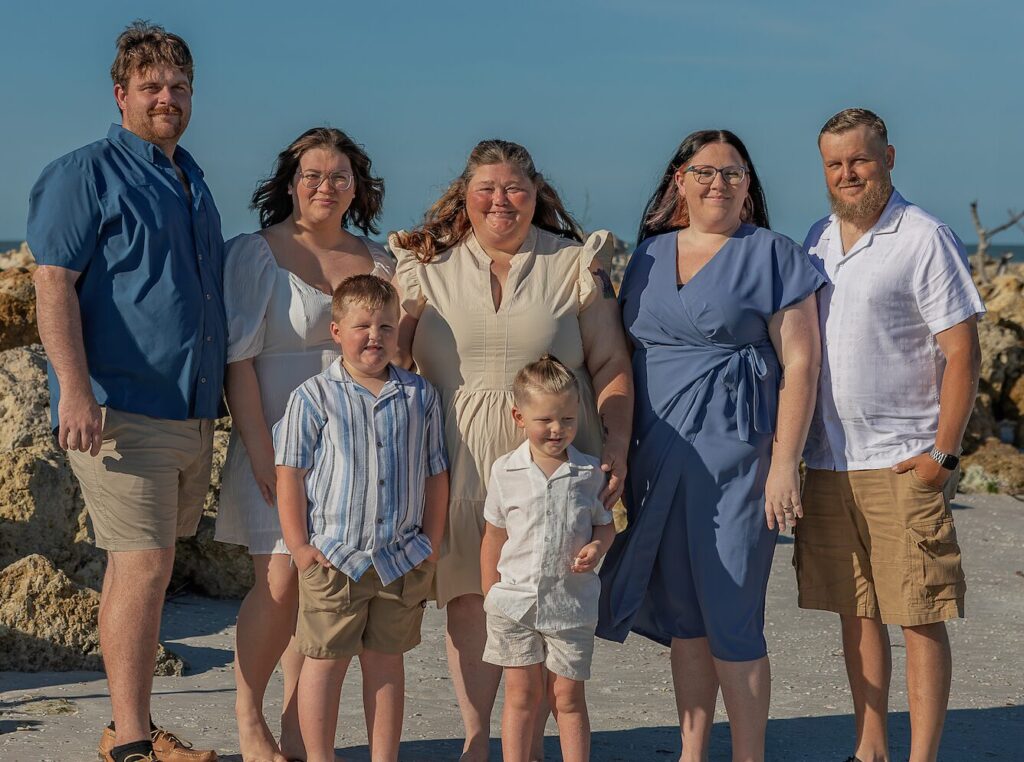
Williams credits her family, co-teacher, friends, and Ridge Youth Agriculture Foundation for helping sustain the program. Her daughter, son, son-in-law and daughter-in-law help feed animals, build pens, and fix fences when needed.
“Without them, I wouldn’t be able to do this at all,” Williams says.
Williams plans to keep up the momentum as she moves to Bok Academy South for the 2026-2027 school year.
In a county filled with strong agriculture teachers, the recognition carries special meaning.
“Especially in Polk County, because it’s such a competitive county — there are so many great ag teachers,” Williams says. “I don’t do this for recognition. I do this for my kids. So it’s really humbling that other people have seen what we’ve done.”