
by RYAN MILEJCZAK
Last year, Florida’s blueberry growers celebrated a strong season. While there were some impacts from dry weather, a late crop in Georgia helped to keep prices especially strong, leading to a strong finish for many growers.
Going into 2026, many were expecting another strong season.
“Growers were optimistic in the earliest part of the season,” says Doug Phillips, Blueberry Extension Coordinator for UF/IFAS. “There was no hurricane activity the summer before, and a heavy bloomset and budset on a lot of farms.”
But an extreme freeze that started January 31 changed that. Several days of temperatures dipping as low as the 20s severely impacted this season’s crop.
“That really put a damper on the season,” Phillips says. “The impacts were particularly severe in Central Florida, and with the weather conditions, it was very difficult for growers to freeze protect.”
ICE TURNS DETRIMENTAL
Normally, growers protect their blueberries from freezing temperatures with an overhead irrigation system. When temperatures dip close to freezing, they’ll turn the system on. As layers of ice build up, the change of water from liquid to solid releases a small amount of heat. Somewhat paradoxically, this protects the plant from freezing.
In an extreme freeze like this one, this process can’t work effectively. Temperatures dipped rapidly due to the low dew point and dry air, dropping much lower than is typical for Florida. Worse still, sustained winds as high as 20mph or even more disrupted the ice-forming process.
“With heavy winds, it’s next to impossible to get good coverage with the irrigation system. Without that, the plants become even colder through evaporation, which causes heat loss,” Phillips explains. “It was one of those perfect storms due to the low temperatures and high winds.”
The damage from these factors impacted early blooms and immature fruit, as well as damaging plants themselves. Ice buildup on the plants combined with high winds was a recipe or disaster.
“Many plants were tipped over out of the ground or had broken canes,” explained Phillips.
However, the impacts of this freeze weren’t spread evenly across the state’s growing regions.
“It was very split between regions,” explains Kyle Straughn, owner of Straughn Farms and current president of the Florida Blueberry Growers Association. “The further north or south you were, the more likely you were to have a crop.”
Those in and around Central Florida, however, were much more heavily impacted.
This is in part because their crop was further along due to an early bloom and fruit. Meanwhile, farther north, the crop was slightly behind other regions, leaving them less exposed.
“In Central Florida, some growers had fruit left to harvest, but some didn’t pick at all,” recounts Phillips. “There were still freeze impacts and losses in North and South, just not as bad as in Central [Florida].”
“Generally speaking, Central Florida had about 25% of what they would have, South Florida about 50%, and North Central, up to 75%,” Straughn explains.
For Straughn personally, his operations lost close to 50% to the freeze on average.
Silver Lining
There was, however, a silver lining for some growers.
“One sort of beneficial impact was that lower supply meant higher prices,” Phillips says. “So those who did have fruit had good prices. They didn’t do as well as they would have without the freeze, but that helped.”
“Supply and demand did work out for us, particularly up to the third week of April,” Straughn says. “We had pretty phenomenal prices.”
While this pricing helped many growers, those without a crop to harvest weren’t able to reap those benefits. Many growers were forced to take advantage of tools like crop insurance and disaster relief programs to help ease the burden and keep going for next season.
Despite these impacts, growers wasted no time getting back on their feet.
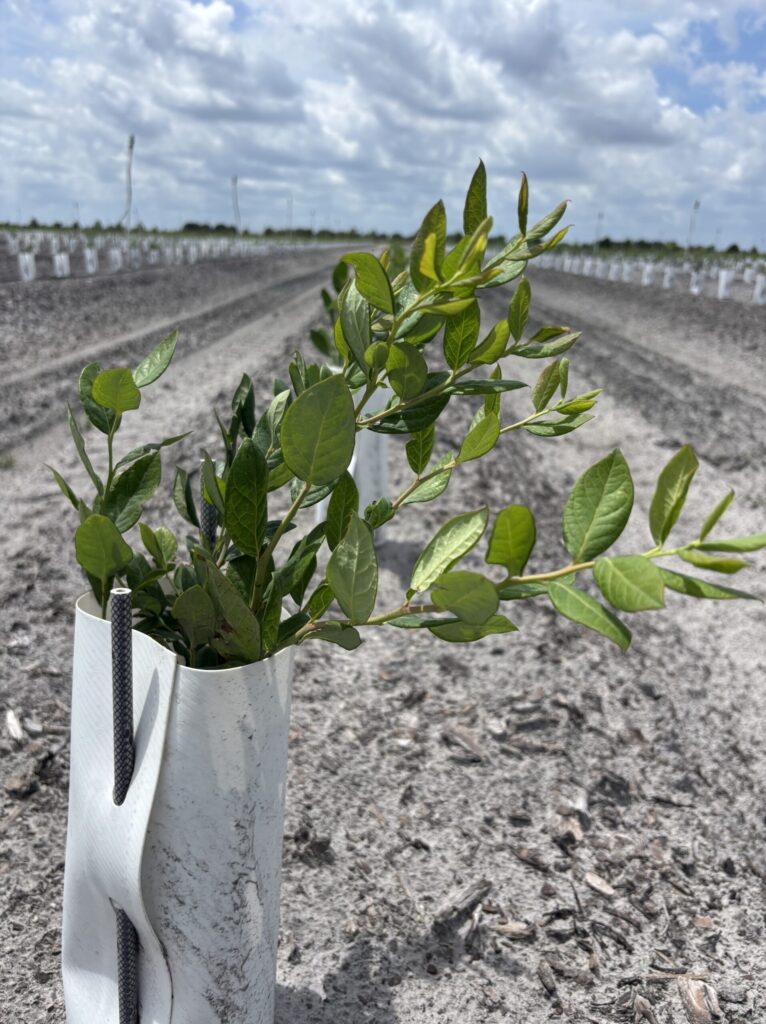
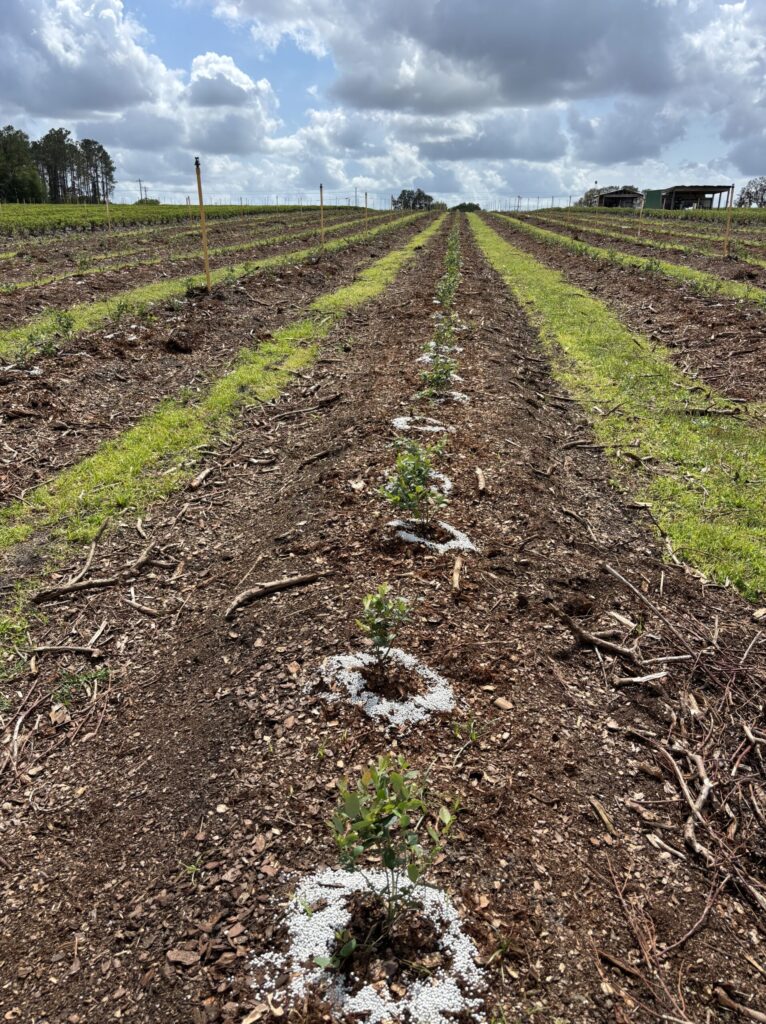
“Recovery efforts began immediately after the freeze,” Phillips says. “Very quickly after the freeze ended, growers were out there staking plants, cutting back damaged and broken canes, and repairing irrigation systems. [At] the farms I visit now, the plants look really good.”
Recovery won’t happen overnight, and many of the impacts will be far reaching.
“These kinds of things, whether it be a freeze or a hurricane, they affect that stand for the rest of its life,” Straughn notes. “We’ll be feeling the effects for a decade to come.”
Despite these challenges, the outlook for next season is hopeful.
“I think [2027] is going to be a good season,” Phillips says. “Every year the big question is: Will we have hurricane activity? And with the forecasts calling for a strong El Niño season, it’s possible we’ll have a weaker Atlantic hurricane season, so you could read good news into that.”
“We’re feeling hopeful,” Straughn says. “We just have to cut everything back now and get ready for another year.”
“You have to stay optimistic in this line of work,” he adds.