
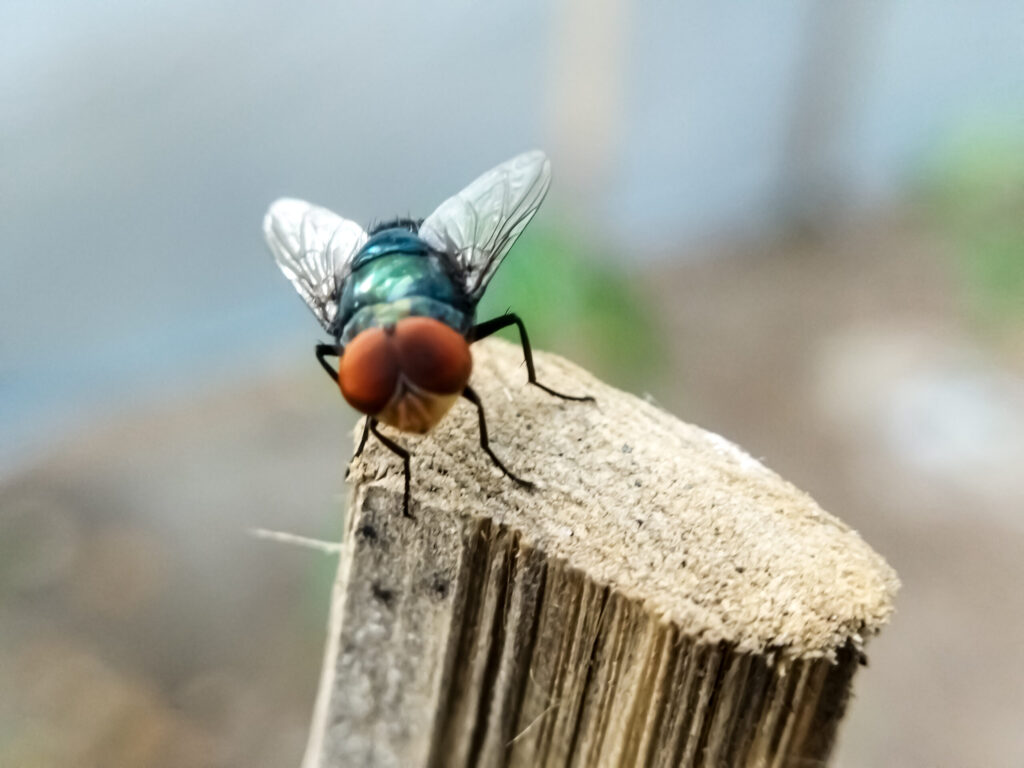
The re-emergence of New World Screwworm in the U.S. is prompting heightened vigilance across the livestock industry. Earlier this month, the U.S. Department of Agriculture confirmed multiple cases in Texas. While the confirmed cases are states away, the finding underscores the importance of biosecurity, surveillance, and rapid response throughout the nation.
What Is New World Screwworm and Why Is It So Dangerous?
New World screwworm is a parasitic fly whose larvae feed on living tissue in warm-blooded animals. Females lay eggs in open wounds and natural body openings in livestock, pets, and wildlife. Once the larvae hatch, they burrow into healthy tissue, causing a condition known as myiasis. In addition to causing severe wounds and animal suffering, infestations result in reduced weight gain, secondary infections, higher veterinary costs, production losses, and animal death. Historically, screwworm was one of the most economically devastating livestock pests in the U.S. before it was eradicated more than a half-century ago.
The U.S. eradicated NWS in the 1960s through the Sterile Insect Technique that Florida helped pioneer in the 1950s. When a small outbreak hit the endangered Key deer in 2017, crews quickly eliminated that, as well.
USDA Takes Action
The USDA is acting quickly to prevent spread. The agency immediately formed a joint command with the Texas Animal Health Commission and set up a 20-kilometer infested zone with quarantines, enhanced surveillance, and movement controls to prevent further spread. Crews are also releasing sterile NWS flies by air and on the ground.
Florida Takes Proactive Steps
Commissioner Wilton Simpson issued an Emergency Rule on June 5 banning the import of warm-blooded animals from infested zones until June 10. After that, animals from those areas must be treated with an effective larvicide and need a Florida Department of Agriculture and Consumer Services (FDACS) Certificate of Animal Movement and an official treatment certificate from the originating state.
Currently, animals transported from high-risk areas require an Official Certificate of Veterinary Inspection (OCVI) issued no more than five days prior to their arrival in Florida. The certificate must explicitly state that all animals listed on the OCVI are free from screwworm larvae infestation.
Protect Your Animals
Check your livestock often, and watch for draining wounds, maggots near body openings, or signs of discomfort. Keep an eye on your pets, too. If something doesn’t look right, contact your veterinarian immediately. Report suspected NWS cases to FDACS at (850) 410-0900 or 1-800-342-5869 (after business hours).
When left untreated, NWS infestations can be fatal. The good news is the U.S. successfully beat this threat before. Remember to stay vigilant and act quickly if you see anything.
This article is sponsored by Labor Solutions, and the opinions expressed herein may not reflect those of Central Florida Ag News or of its advertisers.
BIO: Baxter Troutman is founder and chief executive officer of Labor Solutions, a staffing company with offices in Bartow, Winter Haven, Lake Wales, Arcadia, and Plant City. You also can visit his Dark Hammock Legacy Ranch online at www.DH-LR.com. A cattle rancher and citrus grower who served in the Florida House of Representatives, Troutman understands the challenges and concerns of today’s farmer.