
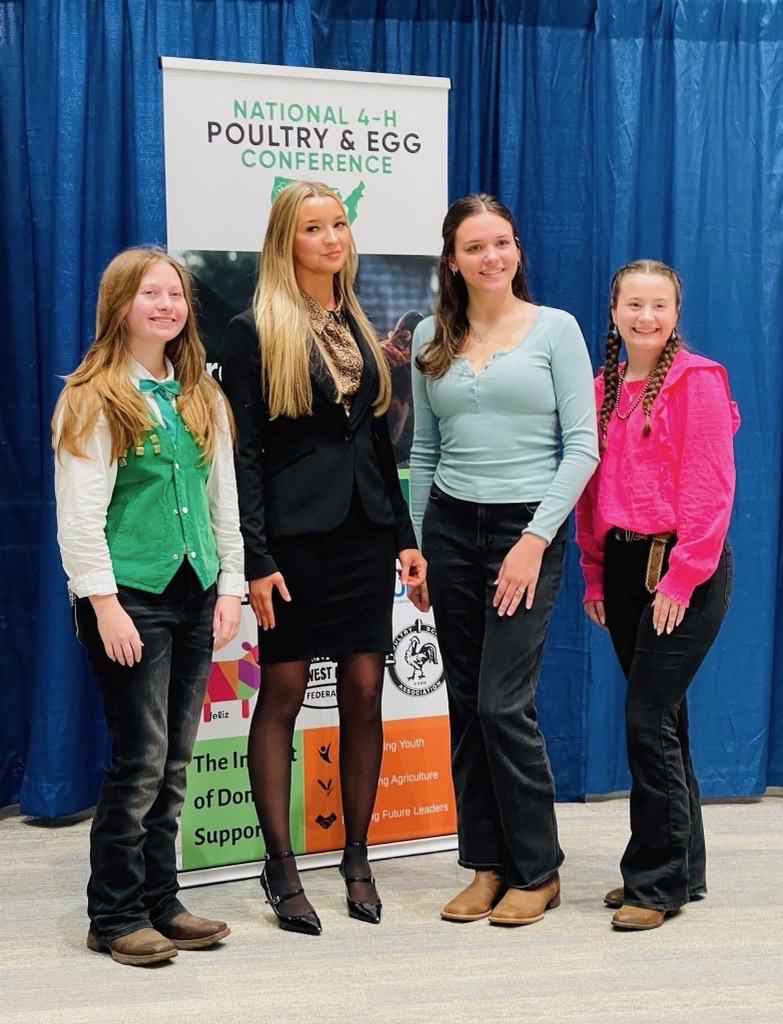
by SHREEMOYEE GHOSH, 4-H Youth Development Agent
For more than 120 years, 4-H has focused on developing life skills through hands-on learning, leadership opportunities, community engagement, and relationships with caring adult mentors. Through these experiences, generations of young people have built confidence, responsibility, communication skills, and the ability to navigate challenges.
Today, those same outcomes are reflected in the national 4-H Beyond Ready initiative. While the language may be new, the mission remains the same. Beyond Ready helps communicate what 4-H has always done: preparing youth for success in work, life, and their communities.
In today’s rapidly changing world, academic knowledge alone is not enough. Success increasingly depends on communication, teamwork, leadership, adaptability, critical thinking, and problem-solving. Beyond Ready recognizes that preparing youth for life after high school means helping them develop these competencies while building confidence, purpose, resilience, and meaningful connections with others.
Beyond Ready for Life and Work
The Beyond Ready framework focuses on preparing youth to be both Ready for Work and Ready for Life.
Being Ready for Work includes developing professionalism, communication, collaboration, leadership, critical thinking and decision-making skills that help individuals contribute effectively to educational and career settings. Being Ready for Life includes building responsibility, perseverance, adaptability, integrity, and a sense of purpose that helps individuals navigate challenges, relationships, and opportunities throughout their lives.
Together, these competencies help young people prepare not only for their next step after high school, but for a lifetime of learning, growth, and contribution.
Experiential Learning: The 4-H Difference
At the heart of 4-H is experiential learning, the educational model that has guided the organization for generations.
Experiential learning is often described as a simple but powerful cycle: Do, Reflect, Apply. While these three elements provide a useful framework, learning does not always happen in a neat sequence. Reflection can occur before, during, and after an experience, helping youth connect what they already know, make sense of what they are experiencing in the moment, and identify lessons they can carry forward.
The reflection component is particularly important because experience alone does not automatically create learning. Reflection helps youth make meaning from their experiences, connect concepts across situations, and identify how new knowledge and skills can be applied in the future.
Workforce Readiness Through Real Experiences
One of the greatest strengths of 4-H is that workforce readiness is not taught solely through lessons or presentations. Instead, it provides opportunities for youth to actively apply them in meaningful contexts.
Whether youth are managing projects, participating in public speaking events, engaging in service-learning, solving real-world problems, exploring career pathways, working through simulations and case studies, leading initiatives, or navigating unexpected challenges, they are developing skills that extend far beyond the activity itself.
These experiences help youth practice communication, critical thinking, adaptability, teamwork, problem-solving, decision-making, responsibility, and resource management. They learn how to evaluate options, weigh consequences, work with others, respond to change, and reflect on their choices, competencies that are essential not only in the workforce, but throughout life.
Youth-Adult Partnerships: Seat at the Table
Another defining characteristic of 4-H is its commitment to youth-adult partnerships.
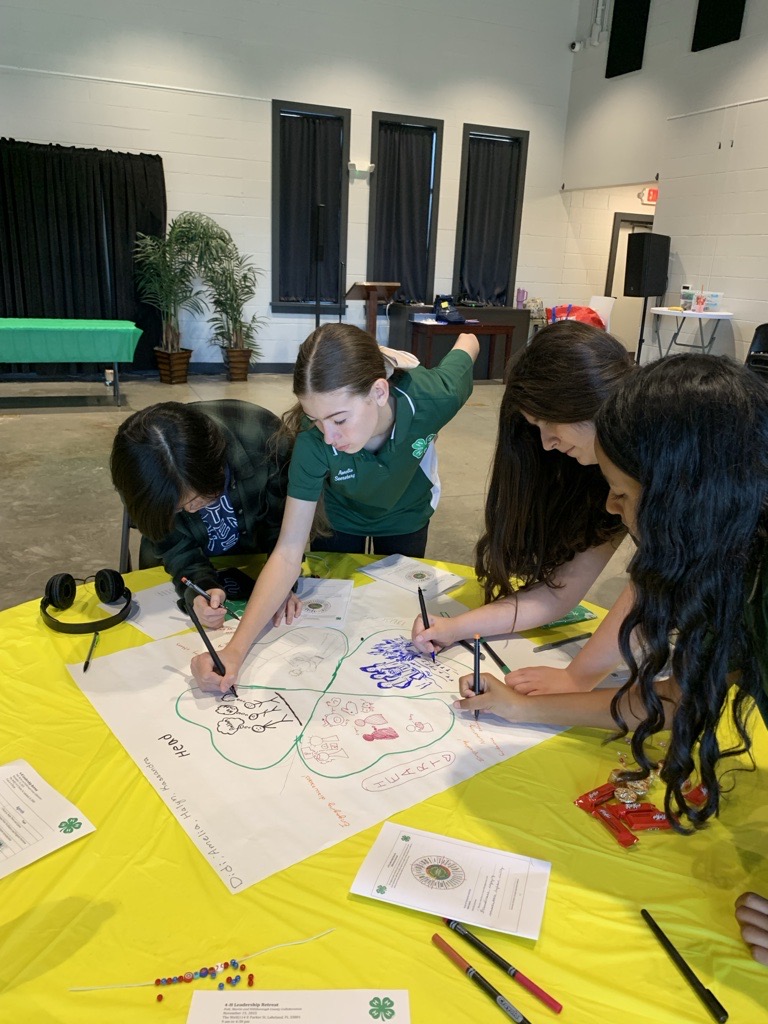
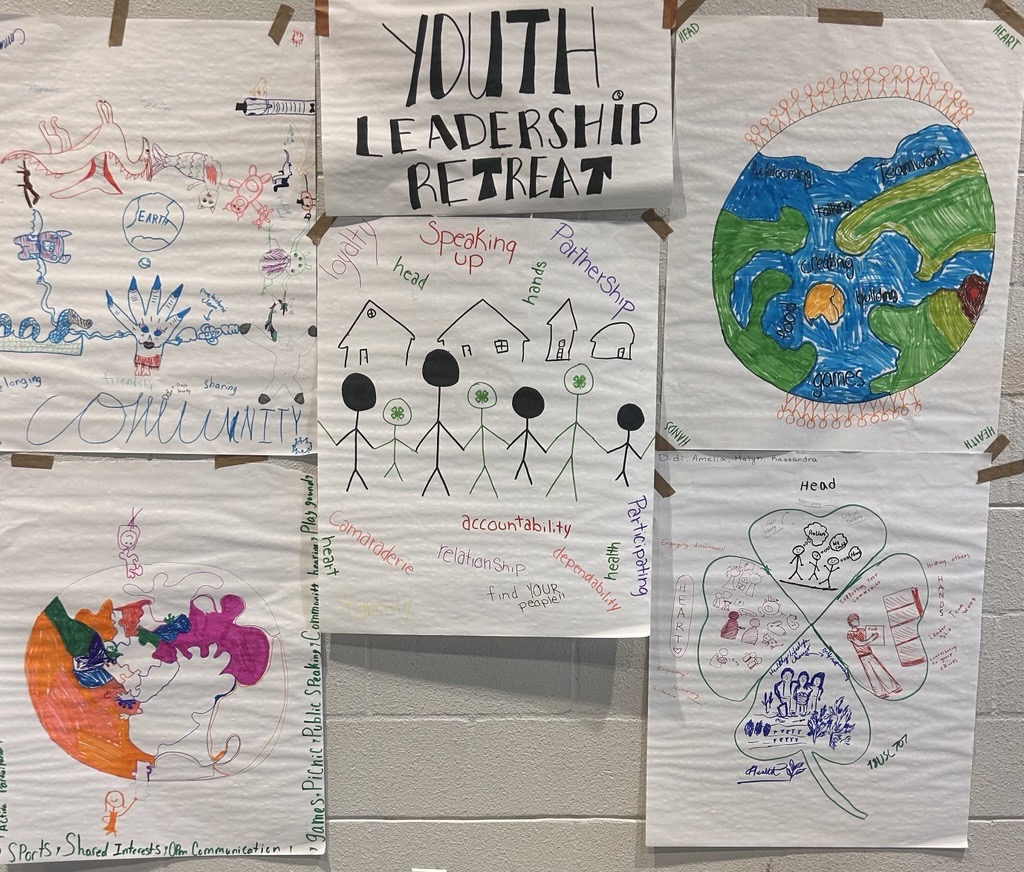
In 4-H, young people are not viewed simply as participants. They are contributors, decision-makers, and leaders. Youth help shape programs, lead initiatives, serve on committees, facilitate activities, and contribute ideas that influence their clubs, counties, and communities. Most importantly, youth learn that their voices matter and that they have the ability to make meaningful contributions to their communities.
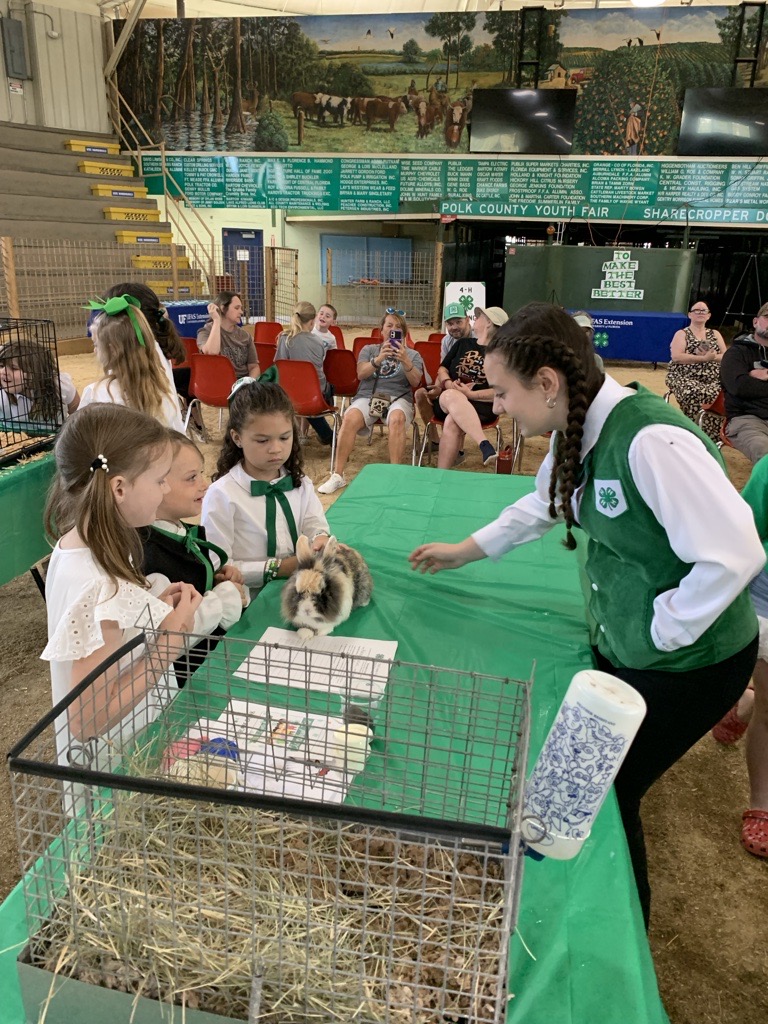
Adults play an equally important role, not by directing every decision, but by serving as mentors, coaches, and guides. They provide support, encouragement, and expertise while empowering youth to take ownership of their ideas and leadership experiences.
Community Volunteers: Investing in the Next Generation
Behind every meaningful 4-H experience is a network of dedicated volunteers who invest their time, talents, and expertise in young people.
Volunteers serve as mentors, coaches, project leaders, and positive role models. They create opportunities for youth to explore interests, develop confidence, build leadership skills, and engage in meaningful learning experiences.
By sharing their knowledge and experiences, volunteers help ensure that the next generation has the tools needed to succeed in an ever-changing world.
In a world that demands adaptability, resilience, and lifelong learning, 4-H continues to prepare youth to be Beyond Ready; ready for work, ready for life, and ready to make a positive impact in their communities.
References
National 4-H Council. (2025). Beyond Ready Initiative Framework: Ready for Work and Ready for Life. Revised November 2025.
National 4-H Headquarters. (2011). Experiential Learning Fact Sheet. United States Department of Agriculture, National Institute of Food and Agriculture, 4-H National Headquarters.
Shreemoyee Ghosh is a 4-H Youth Development Agent. She can be reached at [email protected] or 863-519-1073. Amanda Dominguez is a 4-H Educational Program Specialist. She can be reached at [email protected] or 863-519-1067.